


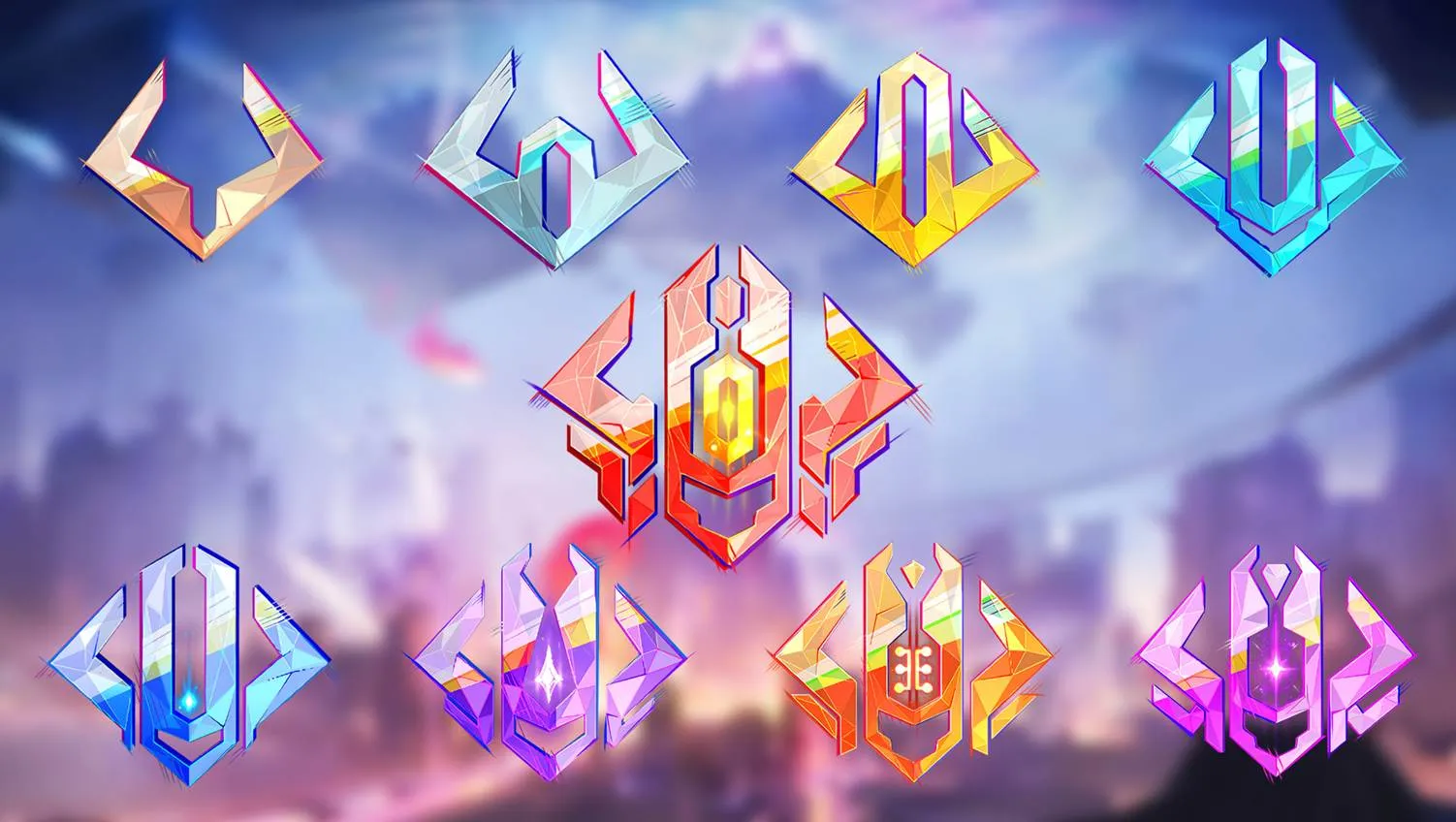
The Marvel Rivals rank system plays a crucial role in shaping the competitive experience of this fast-paced superhero shooter. Whether you are a casual player testing heroes or a competitive gamer aiming for the highest tier, understanding how the ranking system works can dramatically improve your performance and progression.
In this in-depth guide, we’ll break down everything you need to know about the Marvel Rivals rank system—from rank tiers and matchmaking to ranking up faster and avoiding common mistakes. This article is designed for both beginners and advanced players who want a clear advantage in ranked play.
What Is the Marvel Rivals Rank System?
The Marvel Rivals rank system is a competitive ladder that measures player skill based on match performance, win rate, and consistency. Unlike casual modes, ranked matches place players into skill-based tiers, ensuring fair competition and rewarding improvement over time.
This system encourages teamwork, strategic hero selection, and objective-based gameplay rather than simple kill counts. Each ranked season allows players to climb tiers, unlock rewards, and prove their mastery of Marvel’s iconic characters.
Marvel Rivals Rank System Explained for Beginners
For new players, the Marvel Rivals rank system may seem complex, but it follows a familiar competitive structure used in modern multiplayer games.
Key Elements of the Ranking System
- Skill-based matchmaking (SBMM)
- Rank tiers with divisions
- Placement matches
- Rank progression and demotion
- Seasonal resets and rewards
Players are placed into ranks after completing placement matches, which determine their starting position based on performance rather than account level alone.
Marvel Rivals Rank Tiers and Divisions
Understanding rank tiers is essential to mastering the Marvel Rivals rank system. Each tier represents a skill bracket, with higher ranks requiring stronger teamwork, game sense, and mechanical skill.
Common Rank Tiers (Expected Structure)
While official naming may evolve, the rank system typically includes:
- Bronze – Entry-level competitive play
- Silver – Basic understanding of heroes and objectives
- Gold – Consistent teamwork and role awareness
- Platinum – Advanced strategies and strong mechanics
- Diamond – High-level coordination and meta knowledge
- Master – Elite competitive players
- Grandmaster / Top Tier – Best players on the server
Each tier is usually divided into smaller divisions, such as Bronze I–V, to ensure gradual progression.
How Placement Matches Work in the Marvel Rivals Rank System
Placement matches are your introduction to the Marvel Rivals rank system. These initial games assess your skill level and place you into an appropriate tier.
What Placement Matches Evaluate
- Win/loss record
- Individual contribution
- Objective participation
- Hero effectiveness
Performing well during placements can save hours of grinding later, so it’s important to play seriously from the start.
How Matchmaking Works in Marvel Rivals Ranked Mode
Matchmaking is a core component of the Marvel Rivals rank system. The game uses hidden skill ratings to create balanced teams.
Factors That Affect Matchmaking
- Your current rank
- Hidden MMR (Matchmaking Rating)
- Party size and team composition
- Recent performance trends
This ensures that players face opponents of similar skill, reducing unfair matches and improving competitive integrity.
Ranking Up Faster in the Marvel Rivals Rank System
Climbing the ranks is not just about winning—it’s about playing smart.
Tips to Rank Up Efficiently
- Focus on objectives, not just eliminations
- Choose heroes that fit your team composition
- Communicate effectively with teammates
- Learn map layouts and control points
- Avoid unnecessary solo plays
Consistency matters more than flashy gameplay. Players who support their team and adapt to situations rank up faster.
Best Heroes for Competitive Play in Marvel Rivals
Hero selection significantly impacts performance in the Marvel Rivals rank system. Certain heroes excel in ranked matches due to versatility and team utility.
Competitive Hero Traits
- Strong crowd control
- Team buffs or shields
- Mobility and survivability
- Objective control abilities
Mastering two or three heroes per role allows flexibility and prevents rank loss due to poor team balance.
Role Importance in the Marvel Rivals Rank System
Roles are designed to complement each other. Ignoring your role often results in losses, even if individual stats look good.
Common Roles
- Damage Dealers (DPS) – Apply pressure and secure eliminations
- Tanks – Absorb damage and control space
- Supports – Heal, buff, and sustain teammates
Balanced teams perform significantly better in ranked matches.
How Performance Is Measured in Ranked Matches
The Marvel Rivals rank system does not rely solely on kills. Performance evaluation is more complex.
Performance Metrics Include
- Objective time
- Damage dealt and mitigated
- Assists and team impact
- Match outcome
This encourages strategic play and discourages selfish behavior.
Rank Demotion and Penalties Explained
Just as you can rank up, you can also rank down. Understanding demotion rules helps protect your progress.
Reasons for Rank Loss
- Consecutive losses
- Poor performance
- Leaving matches early
- Inactivity penalties
Staying consistent and avoiding tilt is essential for maintaining rank.
Seasonal Resets in the Marvel Rivals Rank System
Each ranked season introduces a soft reset, ensuring long-term balance and renewed competition.
What Happens During a Season Reset?
- Ranks partially reset
- Placement matches may return
- New rewards become available
High-ranked players often start slightly lower but can climb faster due to retained MMR.
Ranked Rewards and Competitive Incentives
Rewards are a major motivation within the Marvel Rivals rank system.
Typical Ranked Rewards
- Exclusive skins
- Player banners or titles
- Ranked badges
- Seasonal achievements
Higher ranks unlock better cosmetic rewards, encouraging players to push their limits.
Common Mistakes Players Make in Ranked Mode
Avoiding mistakes is just as important as improving skills.
Mistakes That Hurt Your Rank
- Ignoring objectives
- Refusing to switch heroes
- Playing without communication
- Overextending alone
- Blaming teammates instead of adapting
Correcting these habits can significantly boost your win rate.
Marvel Rivals Rank System vs Casual Mode
Ranked mode differs greatly from casual play.
| Feature | Ranked Mode | Casual Mode |
|---|---|---|
| Skill-Based Matchmaking | Yes | Limited |
| Rank Progression | Yes | No |
| Competitive Pressure | High | Low |
| Rewards | Seasonal | Minimal |
If improvement is your goal, ranked mode offers the best learning environment.
How Team Communication Impacts Rank Progression
Good communication often decides matches in the Marvel Rivals rank system.
Effective Communication Tips
- Call out enemy positions
- Coordinate ultimate abilities
- Share objective timing
- Stay respectful and calm
Even simple callouts can turn the tide of a match.
Future Updates and Changes to the Marvel Rivals Rank System
As the game evolves, developers may adjust ranking rules, matchmaking logic, or reward structures.
Possible Future Improvements
- More refined MMR calculations
- Role-based rankings
- Anti-smurf measures
- Enhanced performance tracking
Staying updated with patch notes helps competitive players adapt quickly.
Final Thoughts on the Marvel Rivals Rank System
The Marvel Rivals rank system is designed to reward skill, teamwork, and consistency rather than raw aggression. Players who understand the system, adapt their playstyle, and focus on objectives will always climb faster than those chasing stats.
Whether you’re aiming for Gold or pushing toward the top tier, mastering ranked fundamentals is the key to long-term success. Treat every match as a learning opportunity, and the ranks will follow.
