


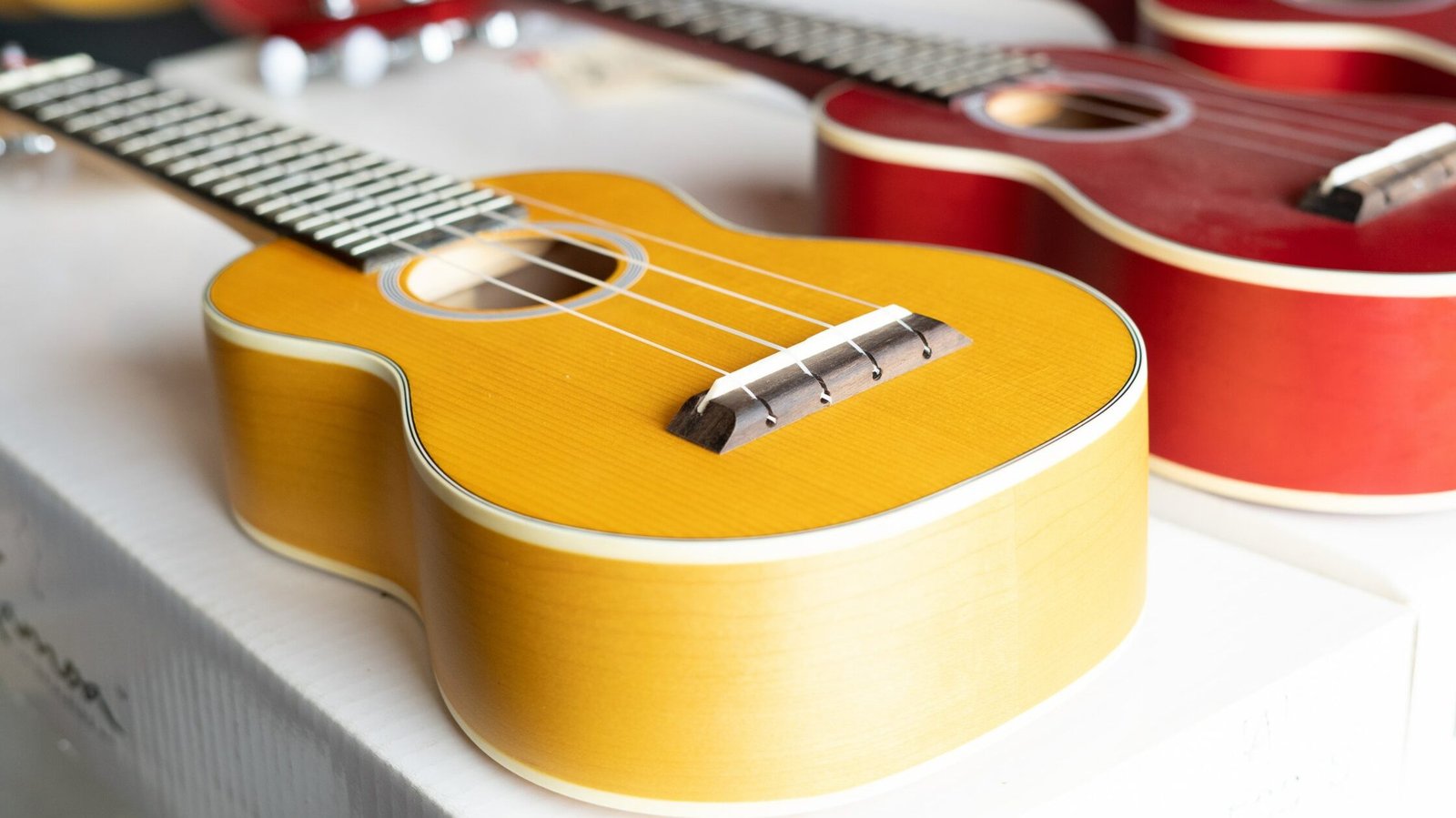
The ukulele is one of the most recognizable musical instruments in the world. Its cheerful sound, compact size, and rich cultural background have made it a favorite among beginners and professional musicians alike. However, behind its simple appearance lies a fascinating story shaped by migration, tradition, and global influence. Understanding ukulele history helps us appreciate how this small instrument traveled across oceans and generations to become a worldwide symbol of joy and creativity.
This article explores the complete ukulele history—from its early roots in Europe to its transformation in Hawaii and its rise to global popularity.
Ukulele History and Its European Roots
Although the Ukulele History is strongly associated with Hawaii, its origins trace back to Europe. The foundation of ukulele history begins in Portugal, where small, guitar-like instruments were commonly played during the 19th century.
Portuguese instruments such as the braguinha and cavaquinho influenced the design and sound of what would later become the ukulele. These instruments were lightweight, string-based, and used for folk music and celebrations.
In the late 1800s, Portuguese immigrants carried their musical traditions overseas, unknowingly setting the stage for a new chapter in ukulele history.

Ukulele History and the Journey to Hawaii
The most important turning point in ukulele history occurred when Portuguese immigrants arrived in Hawaii in 1879. Many of these immigrants came from Madeira and were brought to work on sugar plantations.
Along with their labor skills, they brought musical instruments that quickly caught the attention of native Hawaiians. The bright, rhythmic sound was unlike anything locals had heard before.
Hawaiians embraced the instrument, adapted it to their own musical traditions, and gave it a new identity—thus beginning the Hawaiian chapter of ukulele history.
Ukulele History and the Meaning of the Name
One of the most charming aspects of ukulele history is the meaning behind its name. In Hawaiian, “ukulele” roughly translates to “jumping flea.”
This nickname is believed to describe the fast finger movements of players as they strummed the strings. Over time, the name stuck, and the instrument became officially known as the ukulele.
The adoption of a Hawaiian name reflects how deeply the instrument became embedded in local culture.
Ukulele History Under Hawaiian Royal Influence
Royal support played a major role in shaping ukulele history. King Kalākaua, known as the “Merrie Monarch,” was a strong supporter of Hawaiian arts and music.
During his reign in the late 19th century, the ukulele was frequently featured in royal gatherings, ceremonies, and celebrations. The king’s endorsement helped legitimize the instrument and secure its place in Hawaiian society.
This royal influence elevated the ukulele from a folk instrument to a symbol of Hawaiian identity.
Ukulele History and Its Evolution in Design
As ukulele history progressed, the instrument evolved in both design and sound. Hawaiian craftsmen modified the original Portuguese instruments by:
- Changing string materials
- Adjusting body shapes
- Using local woods like koa
These changes resulted in a brighter, warmer tone that distinguished the ukulele from its European ancestors.
This evolution helped define the unique sound that people now associate with traditional Hawaiian music.
Ukulele History and Early 20th Century Popularity
The early 1900s marked a significant expansion in ukulele history. Hawaiian music gained international exposure through traveling musicians and cultural exhibitions.
One major milestone was the Panama-Pacific International Exposition in San Francisco in 1915. Hawaiian performers introduced mainland audiences to the ukulele, sparking widespread curiosity and demand.
This event played a critical role in transforming the ukulele from a regional instrument into a global phenomenon.
Ukulele History in American Pop Culture
By the 1920s and 1930s, ukulele history entered a golden era in the United States. The instrument became a staple of:
- Vaudeville performances
- Early radio broadcasts
- Silent film soundtracks
Its affordability and ease of learning made it especially popular during the Great Depression, when people sought inexpensive forms of entertainment.
The ukulele became a symbol of optimism during difficult times.
Ukulele History and Its Decline in Mid-Century
Despite its early success, ukulele history experienced a decline during the 1940s and 1950s. As musical trends shifted toward electric guitars and rock-and-roll, the ukulele was often viewed as outdated or novelty-based.
Many people associated it with children or comedic performances rather than serious music. This period marked a temporary slowdown in its cultural relevance.
However, ukulele history was far from over.
Ukulele History and the Late 20th Century Revival
The late 20th century brought a revival that reshaped modern ukulele history. Musicians and educators began reintroducing the instrument as a legitimate tool for musical expression.
Factors contributing to the revival included:
- Music education programs
- Folk and indie music movements
- Increased interest in acoustic sounds
The ukulele was rediscovered by a new generation eager for simplicity and authenticity.
Ukulele History in Modern Music
Modern ukulele history is defined by versatility. Today, the instrument appears across multiple genres, including:
- Pop
- Jazz
- Folk
- Rock
- Indie and alternative music
Artists use the ukulele not only for rhythm but also for complex melodic compositions, challenging outdated stereotypes.
This versatility has secured the ukulele’s place in contemporary music.
Ukulele_History and Digital Media Influence
The internet has played a major role in expanding ukulele history worldwide. Platforms like YouTube and social media have allowed musicians to share tutorials, performances, and original compositions instantly.
Online communities have helped beginners learn the instrument quickly, while viral performances have reignited interest globally.
Digital media has arguably become the most powerful force in modern ukulele history.
Ukulele_History Across Different Cultures
Although deeply rooted in Hawaiian tradition,_ukulele history now spans continents. Today, the instrument is widely played in:
- Asia
- Europe
- Australia
- South America
Each culture adapts the ukulele to its own musical traditions, creating a diverse global identity while respecting its origins.
This cultural exchange continues to shape ukulele_history in new and exciting ways.
Ukulele_History and Educational Importance
Educators often choose the ukulele as a first instrument for students. Its role in ukulele_history as a beginner-friendly instrument comes from:
- Simple chord structures
- Soft nylon strings
- Compact size
Many schools incorporate ukulele lessons to introduce children to music theory and rhythm in an engaging way.
Ukulele_History and Different Types of Ukuleles
As ukulele_history progressed, different sizes and types emerged to suit various playing styles:
- Soprano ukulele
- Concert ukulele
- Tenor ukulele
- Baritone ukulele
Each type offers a unique sound and feel, reflecting the instrument’s continuous evolution.
Ukulele_History and Craftsmanship Today
Modern ukulele makers combine traditional craftsmanship with modern technology. High-quality instruments are now produced worldwide using both traditional and alternative materials.
This blend of innovation and tradition honors the long journey of ukulele history while meeting modern demands.
Ukulele_History as a Symbol of Joy
One reason ukulele_history remains relevant is the emotional connection people feel with the instrument. Its sound is often associated with happiness, relaxation, and creativity.
From beaches to classrooms to concert stages, the ukulele continues to inspire positivity and artistic freedom.
The Future of Ukulele_History
Looking ahead, ukulele history shows no signs of slowing down. With continued interest from musicians, educators, and online communities, the instrument is set to remain a global favorite.
As musical styles evolve, the ukulele adapts—just as it has throughout its long and fascinating history.
Final Thoughts on Ukulele_History
Ukulele_history is a story of migration, adaptation, and cultural connection. From its European roots to its Hawaiian transformation and global revival, the ukulele proves that even the smallest instrument can leave a lasting impact.
Understanding ukulele_history allows us to appreciate not just the music it creates, but the cultures and people who shaped its journey.
