



The stock market plays a vital role in the global financial system, offering individuals and institutions the opportunity to grow wealth, hedge against inflation, and participate in economic growth. Among the many market-related terms searched online today, se stock has gained attention from investors looking to understand stock exchanges, regional markets, and smart investment strategies.
This in-depth guide explains what se stock means, how it connects to stock exchanges, how investors analyze stocks, and how beginners can approach stock investing with confidence. Whether you are new to investing or looking to expand your financial knowledge, this article will help you understand se stock in a practical and -friendly way.
What Is SE Stock and Why Is It Important?
The term se stock is commonly associated with stock exchange–related investing, market-listed shares, and securities traded on regulated exchanges. Many investors use this keyword when researching stock markets, individual shares, or exchange-based investments.
In simple terms, se stock refers to stocks traded on recognized stock exchanges, where buyers and sellers meet under regulated conditions. These exchanges ensure transparency, liquidity, and fair pricing.
Understanding se stock is important because stock exchanges are the backbone of modern investing and economic development.
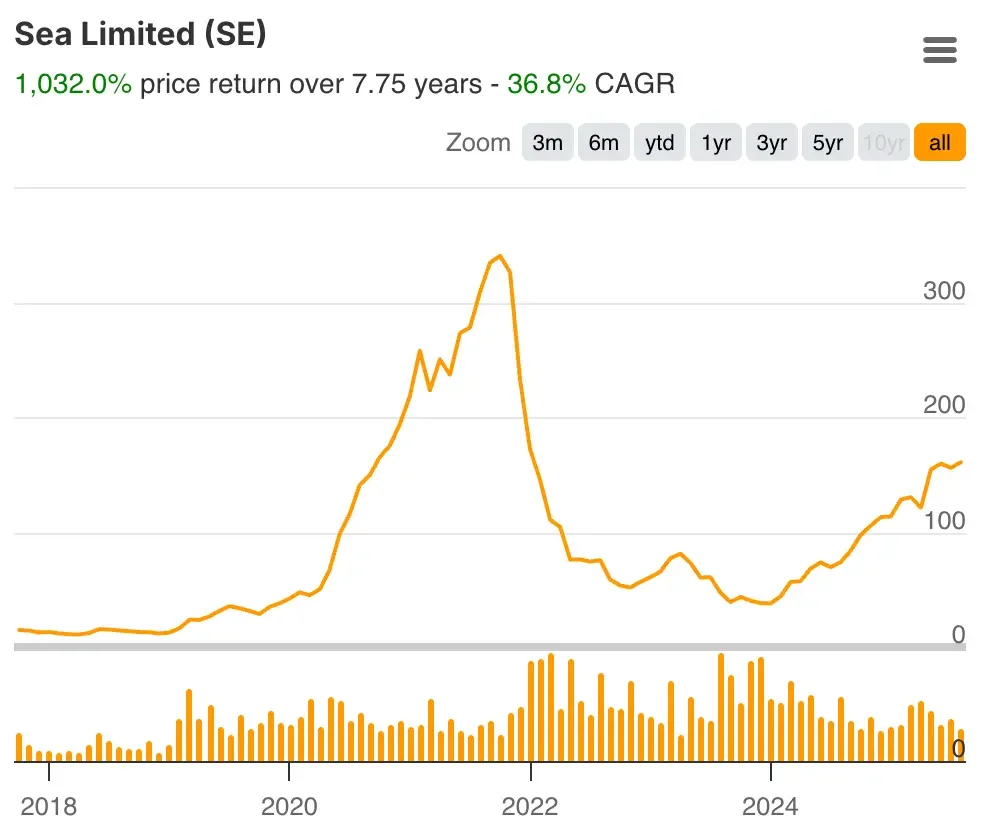
SE Stock and the Role of Stock Exchanges
Stock exchanges provide a platform where publicly listed companies raise capital by selling shares to investors. In return, investors gain partial ownership in companies and the potential for profit through price appreciation and dividends.
One well-known example in Europe is the Stockholm Stock Exchange, which plays a key role in Scandinavian and European financial markets.
SE stock trading through exchanges offers several advantages:
- Regulated trading environment
- Price transparency
- Investor protection
- High liquidity
These benefits make exchange-based stocks more reliable than informal or unregulated markets.
SE Stock and How the Stock Market Works
To understand se stock properly, it is essential to know how the stock market operates.
The basic process includes:
- A company goes public through an IPO
- Shares are listed on a stock exchange
- Investors buy and sell shares through brokers
- Prices move based on supply, demand, and market sentiment
SE stock prices change constantly due to economic news, company performance, interest rates, and global events.
SE Stock Types Explained
Not all stocks are the same. SE stock investments can be categorized into several types depending on company size, risk, and growth potential.
Common SE Stock Categories
- Blue-chip stocks – Large, stable companies
- Growth stocks – Companies with high expansion potential
- Dividend stocks – Companies that pay regular income
- Value stocks – Undervalued companies with strong fundamentals
Each type serves a different investment goal, from long-term stability to aggressive growth.
SE Stock and Market Indices
Market indices help investors track overall market performance. An index is a group of selected stocks that represent a specific market or sector.
Examples include:
- Broad market indices
- Sector-based indices
- Regional indices
SE stock performance is often compared against indices to evaluate whether a stock or portfolio is outperforming or underperforming the market.
SE Stock and Fundamental Analysis
Fundamental analysis is a key method investors use to evaluate se stock investments. This approach focuses on a company’s financial health and business performance.
Key factors include:
- Revenue and earnings growth
- Profit margins
- Debt levels
- Management quality
Investors who rely on fundamentals aim to find stocks with strong long-term potential.
SE Stock and Technical Analysis
Another popular approach to se stock investing is technical analysis. This method studies price charts, patterns, and trading volume.
Technical analysts focus on:
- Support and resistance levels
- Trend lines
- Moving averages
- Momentum indicators
While fundamental analysis looks at value, technical analysis helps investors time their entry and exit points.
SE Stock and Long-Term Investing
Long-term investing is one of the most effective strategies in the stock market. SE stock investments held over many years can benefit from compound growth.
Advantages of long-term investing include:
- Reduced impact of market volatility
- Lower transaction costs
- Stronger wealth accumulation
Many successful investors prefer holding quality se_stock rather than frequent trading.
SE_Stock and Short-Term Trading
Short-term trading focuses on price movements over days or weeks. This approach requires market knowledge, discipline, and risk management.
Short-term se stock traders often use:
- Technical indicators
- News-based strategies
- Market sentiment analysis
While profits can be faster, risks are also higher compared to long-term investing.
SE_Stock and Risk Management
Every investment involves risk, and se_stock is no exception. Successful investors manage risk rather than avoiding it completely.
Common risk management techniques include:
- Diversification
- Stop-loss orders
- Position sizing
- Avoiding emotional decisions
Understanding risk is essential for long-term success in se stock investing.
SE_Stock and Dividends
Dividend-paying stocks are popular among income-focused investors. These companies distribute a portion of their profits to shareholders.
Benefits of dividend-focused se stock investments:
- Regular income
- Lower volatility
- Long-term stability
Dividends also help investors reinvest and compound returns over time.
SE_Stock and Global Market Influence
SE_stock prices are influenced by global economic factors such as:
- Interest rate changes
- Inflation data
- Currency movements
- Geopolitical events
Modern markets are interconnected, meaning events in one region can impact stock prices worldwide.
SE_Stock and Technology Advancements
Technology has transformed how investors access and trade se_stock. Online trading platforms, mobile apps, and real-time data have made investing more accessible than ever.
Key benefits include:
- Faster trade execution
- Lower brokerage costs
- Access to global markets
Technology has empowered individual investors to compete with large institutions.
SE_Stock for Beginners: Getting Started
Beginners interested in se_stock should start with education and planning rather than rushing into trades.
Basic steps include:
- Learning stock market fundamentals
- Choosing a regulated broker
- Starting with small investments
- Building a diversified portfolio
Patience and consistency are more important than quick profits.
SE_Stock and Portfolio Diversification
Diversification is a cornerstone of smart investing. By spreading investments across different stocks and sectors, investors reduce overall risk.
A diversified se stock portfolio may include:
- Different industries
- Domestic and international stocks
- Growth and dividend stocks
This balance protects investors during market downturns.
SE_Stock and Market Psychology
Investor emotions play a major role in stock price movements. Fear and greed often cause overreaction in the market.
Understanding market psychology helps se_stock investors:
- Avoid panic selling
- Recognize market bubbles
- Stay focused on long-term goals
Emotional discipline is a key skill in investing.
SE_Stock and Economic Cycles
Stock markets move in cycles influenced by economic growth and contraction.
Economic phases include:
- Expansion
- Peak
- Recession
- Recovery
SE_stock performance often reflects these cycles, making economic awareness important for investors.
SE_Stock and Ethical Investing
Many investors now consider environmental, social, and governance (ESG) factors when choosing stocks.
Ethical se stock investing focuses on:
- Sustainable business practices
- Social responsibility
- Transparent governance
This approach aligns financial goals with personal values.
SE_Stock and Common Mistakes to Avoid
New investors often make avoidable mistakes, such as:
- Chasing hot stocks
- Ignoring research
- Overtrading
- Investing without a plan
Learning from these mistakes helps build long-term success in se_stock investing.
The Future of SE_Stock Markets
The future of se stock investing is shaped by innovation, globalization, and changing investor behavior. Emerging technologies, digital assets, and data-driven analysis continue to redefine how markets operate.
Despite changes, stock exchanges remain central to wealth creation and economic growth.
Final Thoughts on SE_Stock
SE_stock investing offers powerful opportunities for building wealth, but success requires knowledge, patience, and discipline. By understanding how stock exchanges work, analyzing companies carefully, and managing risk, investors can make informed decisions.
Whether you are a beginner or an experienced investor, mastering the fundamentals of se_stock can help you navigate the financial markets with confidence.
