


Introduction to the SU-57
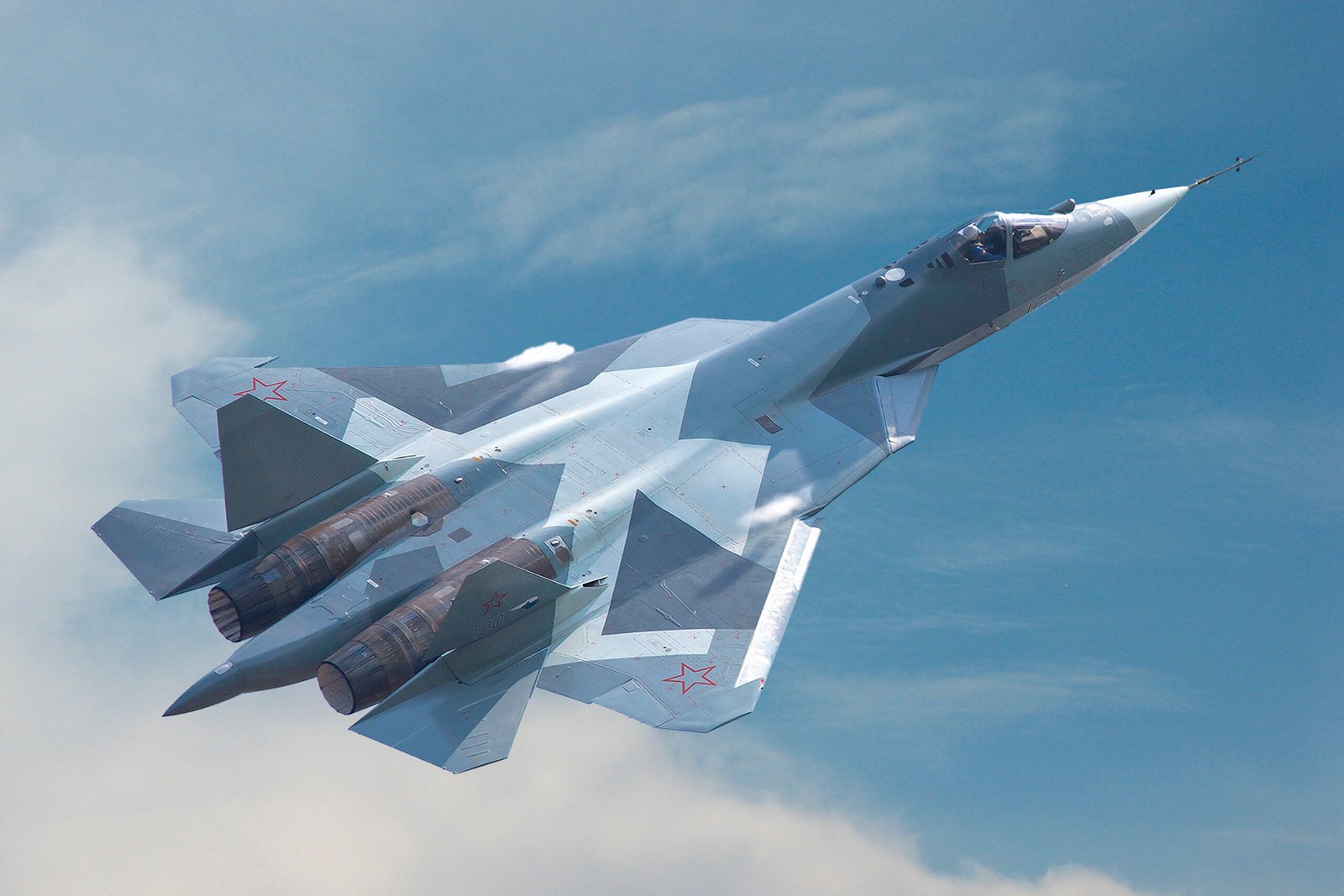
The SU-57 is Russia’s most advanced fifth-generation stealth fighter jet, designed to compete with modern Western aircraft such as the F-22 and F-35. Developed to meet the demands of next-generation aerial warfare, the SU-57 combines stealth technology, supermaneuverability, advanced avionics, and multirole combat capability.
Unlike earlier Russian fighters that focused heavily on speed and agility, the SU-57 reflects a strategic shift toward stealth, sensor fusion, and network-centric warfare. This article provides a detailed, SEO-optimized breakdown of the SU-57’s development, design, capabilities, weapons, engine technology, combat role, and future prospects.
What Is the Sukhoi Su-57?
The SU-57 is a fifth-generation multirole fighter aircraft developed by Sukhoi for the Russian Aerospace Forces. It was previously known as the PAK FA (Prospective Airborne Complex of Frontline Aviation). The aircraft is designed to perform air superiority, ground attack, electronic warfare, and intelligence missions.
The SU-57 represents Russia’s answer to modern stealth fighters, aiming to balance reduced radar visibility with extreme maneuverability and high combat versatility.
Development History of the SU-57
Origins of the SU-57 Program
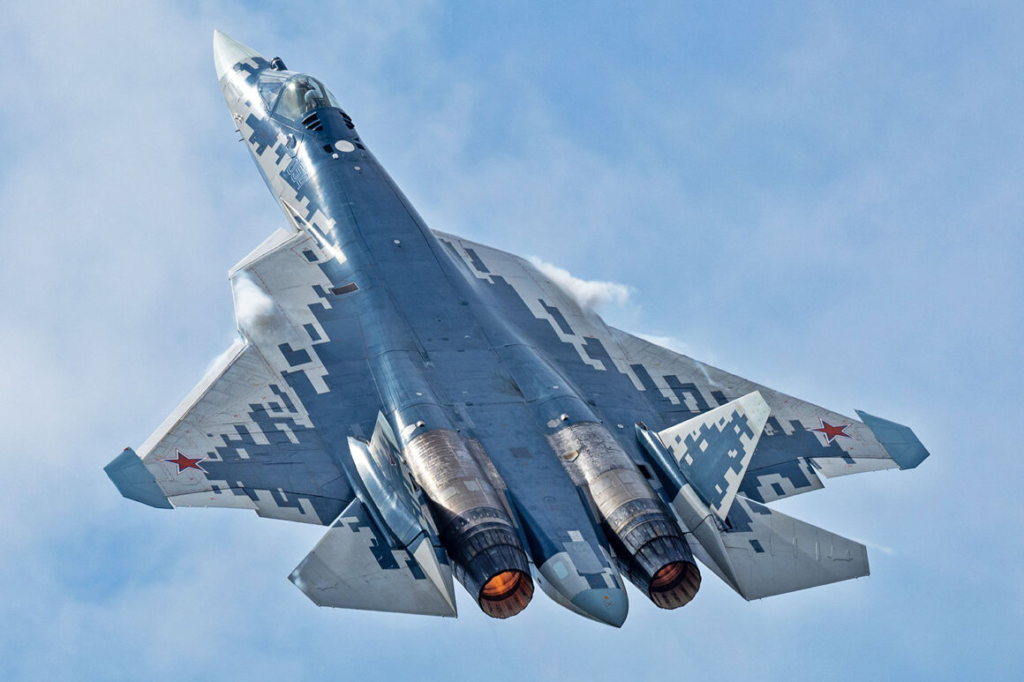
The SU-57 program began in the early 2000s as Russia recognized the growing dominance of stealth aircraft in modern warfare. The goal was to replace aging fourth-generation fighters such as the Su-27 and MiG-29 with a next-generation platform.
The aircraft made its first flight in 2010, marking a significant milestone for Russian aviation. Development was slowed by budget constraints, technological challenges, and evolving military requirements, but the project continued steadily.
Transition from Prototype to Production
Early prototypes focused on flight performance and aerodynamic testing. Later versions emphasized stealth coatings, avionics integration, and weapons compatibility. The SU-57 officially entered limited service in the early 2020s, with gradual expansion planned over the next decade.
SU-57 Design Philosophy and Airframe Structure
Stealth Features of the SU-57
While not as stealth-focused as some Western counterparts, the SU-57 incorporates multiple radar-evasion techniques, including:
- Angled airframe surfaces
- Internal weapons bays
- Radar-absorbing materials
- Reduced infrared signature
The SU-57 prioritizes a balance between stealth and agility, allowing it to operate effectively in contested airspace while still excelling in dogfights.
Airframe and Aerodynamics
The SU-57 features a blended wing-body design with leading-edge root extensions and thrust-vectoring nozzles. This design enhances lift, control, and extreme maneuverability, even at low speeds.
Engine Technology Used in the SU-57
Current Engines
Early production SU-57 aircraft are powered by AL-41F1 engines, an advanced evolution of previous Sukhoi powerplants. These engines provide:
- Supercruise capability
- Enhanced fuel efficiency
- Improved thrust-to-weight ratio
Next-Generation Engine Upgrade
Russia is developing a more powerful engine, often referred to as the “Izdeliye 30,” which is expected to improve stealth, range, and overall performance. Once fully deployed, this engine will significantly enhance the SU-57’s operational capabilities.
Avionics and Sensor Systems in the SU-57
Radar and Sensor Suite
The SU-57 is equipped with an advanced radar system that includes:
- Active electronically scanned array (AESA) radar
- Side-mounted radar arrays
- Infrared search and track (IRST) system
These systems allow the SU-57 to detect, track, and engage multiple targets simultaneously in air-to-air and air-to-ground missions.
Sensor Fusion and AI Assistance
Modern combat requires rapid decision-making. The SU-57 integrates sensor data into a unified combat picture, assisting pilots with threat detection and target prioritization. Artificial intelligence plays a supporting role in reducing pilot workload.
Weapons and Armament of the SU-57
Internal Weapons Bays
To maintain stealth, the SU-57 carries most of its weapons internally. These include:
- Air-to-air missiles
- Precision-guided bombs
- Long-range strike weapons
External Hardpoints
When stealth is less critical, the SU_57 can carry additional weapons externally, significantly increasing payload capacity.
Hypersonic Weapon Capability
One of the most discussed aspects of the SU_57 is its potential to deploy hypersonic missiles. This capability would allow it to strike high-value targets at extreme speeds, making interception extremely difficult.
SU_57 Combat Roles and Mission Capabilities
Air Superiority Missions
The SU_57 is designed to dominate enemy airspace by detecting and neutralizing threats before being detected itself. Its agility allows it to outperform many aircraft in close-range combat.
Ground Attack and Strike Missions
In addition to air combat, the SU_57 can conduct precision strikes against ground targets, including fortified positions and high-value infrastructure.
Electronic Warfare and Reconnaissance
Advanced electronic warfare systems enable the SU_57 to disrupt enemy radar and communication networks, enhancing survivability and mission success.
SU_57 vs Other Fifth-Generation Fighters
SU_57 vs F-22 Raptor
While the F-22 emphasizes stealth and air dominance, the SU-57 focuses more on maneuverability and versatility. Each aircraft reflects the strategic priorities of its country.
SU_57 vs F-35 Lightning II
The F-35 is optimized for multirole operations and network-centric warfare, while the SU_57 offers greater speed and agility. Cost, doctrine, and operational philosophy differ significantly between the two platforms.
Operational Use of the SU_57
Deployment and Testing
The SU_57 has undergone extensive testing, including limited combat evaluations. These deployments provided valuable data for improving avionics, weapons integration, and survivability.
Training and Pilot Adaptation
Pilots transitioning to the SU_57 receive advanced training to manage its complex systems and high-performance flight characteristics.
Export Potential of the SU_57
Russia has promoted the SU_57 to international buyers, positioning it as a cost-effective alternative to Western fifth-generation fighters. While export deals remain limited, interest continues from countries seeking advanced capabilities without Western restrictions.
Strengths and Limitations of the SU_57
Key Strengths
- Exceptional maneuverability
- Multirole versatility
- Advanced sensor suite
- Hypersonic weapon compatibility
Limitations
- Slower production rate
- Stealth not as refined as some competitors
- Ongoing engine upgrades
Future of the SU_57 Program
The future of the SU_57 depends on continued technological refinement and increased production. Planned upgrades include:
- Fully integrated next-generation engines
- Enhanced AI-assisted combat systems
- Improved stealth coatings
As these upgrades mature, the SU_57 is expected to remain a central component of Russia’s air power strategy.
Strategic Importance of the SU_57 in Modern Warfare
The SU_57 symbolizes Russia’s commitment to maintaining parity with global air forces. It reflects a unique design philosophy that blends traditional strengths—speed and maneuverability—with modern stealth and digital warfare concepts.
Frequently Asked Questions About the SU_57
Is the SU_57 a true fifth-generation fighter?
Yes, it meets fifth-generation criteria such as stealth, sensor fusion, and advanced avionics, though its approach differs from Western designs.
Can the SU_57 carry nuclear weapons?
The aircraft is believed to be capable of delivering strategic weapons, though official details remain classified.
How many SU_57 aircraft are in service?
Exact numbers vary, as production continues and figures are not always publicly disclosed.
Final Thoughts on the SU_57
The SU_57 is not just a fighter jet—it is a statement of technological ambition and strategic intent. While it faces challenges in production and refinement, its unique blend of agility, firepower, and advanced systems makes it one of the most intriguing aircraft in modern military aviation.
As development continues, the SU_57 is likely to evolve into a more capable and formidable platform, shaping the future of aerial combat for years to come
