


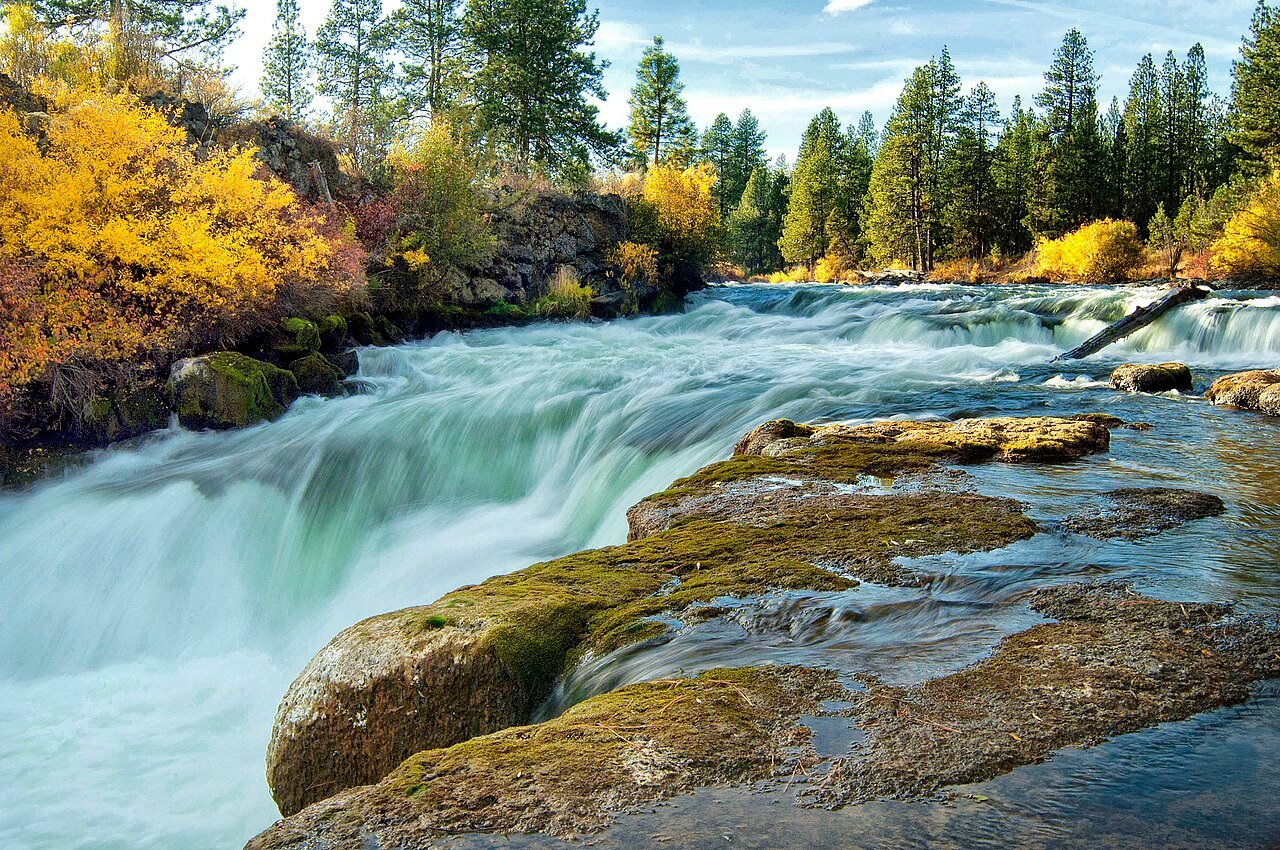
Search interest in dillon falls rescue efforts has increased as people seek accurate information about emergency responses at one of Oregon’s most challenging natural landmarks. Dillon Falls is known for its powerful rapids, dangerous drop-offs, and unpredictable water conditions, making it a location where rescue operations require advanced skills, coordination, and quick decision-making.
This comprehensive article explains the context behind dillon falls rescue efforts, how emergency teams operate in such environments, the challenges they face, and what visitors should understand about safety near fast-moving water. Rather than focusing on speculation, this guide emphasizes verified rescue procedures, environmental risks, and public safety awareness.
What Is Dillon Falls?
Dillon Falls Rescue Efforts is a set of powerful rapids located along the Deschutes River in central Oregon. Unlike traditional waterfalls, Dillon Falls consists of steep chutes, sharp drops, and extremely fast currents that create dangerous conditions for swimmers, boaters, and even experienced kayakers.
Because of these hazards, the area has long been recognized by local authorities as a high-risk zone requiring caution and respect.
Why Dillon Falls Is Considered Dangerous
Understanding the location is essential when discussing dillon falls rescue efforts.
Extreme Water Conditions
Dillon Falls features:
- Strong hydraulic currents
- Sudden elevation drops
- Narrow channels that trap debris
- Cold, fast-moving water
These factors significantly increase the risk of accidents, especially during periods of high water flow.
Limited Access for Rescuers
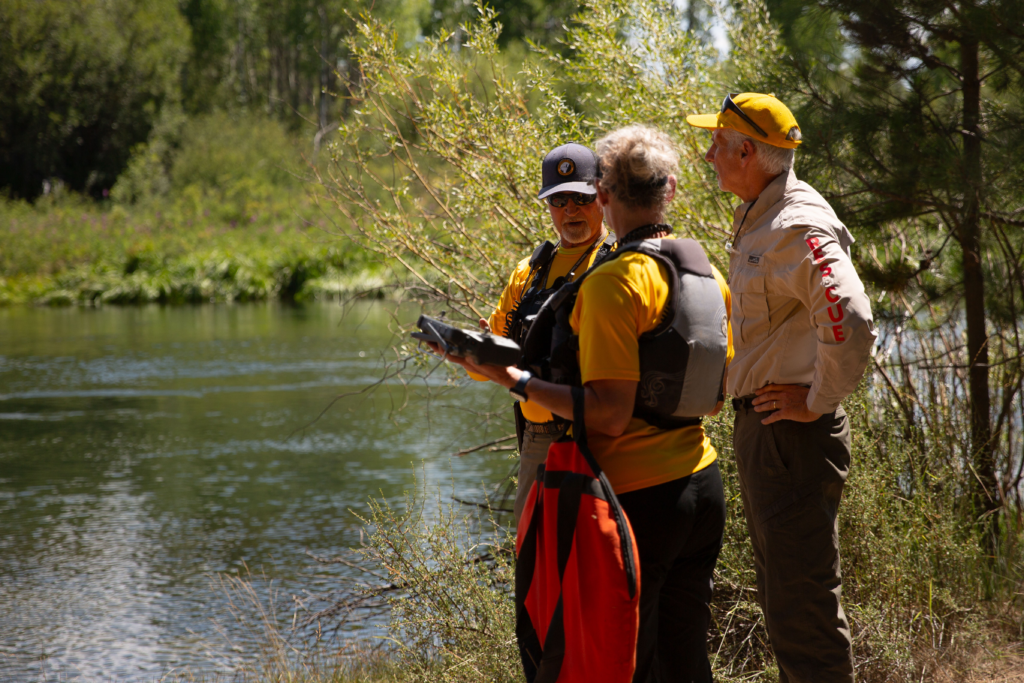
Rescue teams responding to incidents at Dillon Falls often face:
- Difficult terrain
- Limited shoreline access
- Restricted visibility
- Time-critical conditions
These challenges make every rescue operation complex and resource-intensive.
Dillon Falls Rescue Efforts: An Overview
When incidents occur near Dillon Falls, dillon falls rescue efforts typically involve multiple agencies working together. These operations prioritize human life, rescuer safety, and environmental awareness.
Rescue responses may include:
- Swift-water rescue teams
- Fire and rescue departments
- Law enforcement units
- Emergency medical services
Coordination between agencies is critical for effective outcomes.
How Dillon Falls Rescue Efforts Are Initiated
Emergency Call and Assessment
Most dillon falls rescue efforts begin with an emergency call reporting:
- A person swept into the rapids
- A capsized watercraft
- Someone stranded near dangerous currents
Dispatchers gather information and immediately alert specialized rescue teams.
Rapid Response Deployment
Because conditions can change quickly, rescue units are deployed as fast as possible. Time is a critical factor in any swift-water rescue situation.
Specialized Training Behind Dillon Falls Rescue Efforts
Swift-Water Rescue Certification
Personnel involved in dillon falls rescue efforts undergo specialized training, including:
- Swift-water rescue techniques
- Rope and anchor systems
- Cold-water survival
- Risk assessment and scene management
This training helps minimize danger to both victims and rescuers.
Use of Technical Equipment
Rescue teams often rely on:
- Throw bags and rescue ropes
- Inflatable rescue boats
- Dry suits and helmets
- Communication and tracking equipment
These tools are essential in the extreme conditions found at Dillon Falls.
Environmental Challenges During Rescue Operations
Weather and Seasonal Conditions
Weather plays a major role in dillon falls rescue efforts. Heavy rain or snowmelt can dramatically increase river volume, making rescues even more dangerous.
Seasonal factors include:
- Spring runoff increasing water speed
- Winter ice and cold exposure risks
- Summer crowds raising accident probability
Visibility and Water Turbulence
Turbulent water reduces visibility and complicates rescue planning. Rescuers must constantly adapt to rapidly changing conditions.
Coordination Between Agencies in Dillon Falls Rescue Efforts
Multi-Agency Collaboration
Successful dillon falls rescue efforts often involve collaboration between:
- Local fire departments
- County sheriff’s offices
- Search and rescue teams
- Medical responders
Clear communication ensures efficient operations and reduces confusion at the scene.
Incident Command Structure
A unified command system is typically used to:
- Assign roles
- Manage resources
- Maintain responder safety
- Coordinate medical care
This structure is critical during complex rescues.
Public Awareness and Dillon Falls Rescue Efforts
The Role of Public Education
Many rescue incidents are preventable. Authorities frequently emphasize education to reduce the need for dillon falls rescue efforts.
Public awareness campaigns focus on:
- Warning signs near the river
- Dangers of swimming or wading
- Importance of life jackets
- Respecting restricted areas
Why Warning Signs Matter
Posted warnings are based on real risk assessments. Ignoring them increases the likelihood of accidents and emergency responses.
Common Scenarios That Lead to Rescue Efforts
Accidental Slips and Falls
Steep, rocky terrain near Dillon Falls can become slippery, especially when wet. Even a small misstep can lead to dangerous situations.
Watercraft Incidents
Kayaks, rafts, or paddleboards entering restricted zones may quickly become uncontrollable due to strong currents.
Underestimating Water Power
One of the most common factors behind dillon falls rescue efforts is underestimating how powerful moving water can be.
Safety Measures to Reduce Dillon Falls Rescue Efforts
Best Practices for Visitors
To reduce the likelihood of rescue incidents:
- Stay behind safety barriers
- Avoid swimming near rapids
- Follow posted warnings
- Wear appropriate safety gear
Personal responsibility plays a major role in preventing emergencies.
Role of Local Authorities
Authorities regularly:
- Monitor river conditions
- Update safety signage
- Restrict access during dangerous periods
These measures aim to protect the public and reduce emergency situations.
Emotional Impact of Dillon Falls Rescue Efforts
Effect on Families and Communities
Rescue incidents can be emotionally taxing not only for victims but also for families, witnesses, and first responders.
Rescuer Stress and Risk
Those involved in dillon falls rescue efforts face high-stress situations and personal risk. Their work requires courage, professionalism, and mental resilience.
Media Coverage of Dillon Falls Rescue Efforts
Responsible Reporting
Media coverage plays an important role in informing the public, but responsible reporting avoids speculation and respects privacy.
Accurate reporting can:
- Increase safety awareness
- Encourage responsible recreation
- Highlight the work of emergency responders
Lessons Learned From Past Dillon Falls Rescue Efforts
Each rescue operation provides valuable insights that help improve future responses.
Improving Safety Protocols
Lessons often lead to:
- Better signage placement
- Enhanced training
- Improved emergency coordination
Continuous learning is a key part of emergency response management.
Why Dillon Falls Rescue Efforts Continue to Matter
As outdoor recreation grows in popularity, the importance of effective dillon falls rescue efforts increases. Natural beauty can coexist with danger, making awareness and preparedness essential.
Rescue teams stand ready to respond, but prevention remains the most effective strategy.
Frequently Asked Questions About Dillon Falls Rescue Efforts
Are Rescue Operations Always Successful?
Outcomes depend on conditions, timing, and safety considerations. Rescuer safety is always the top priority.
Can the Public Assist During a Rescue?
Generally, no. Untrained assistance can increase risk. The public should call emergency services and follow instructions.
Final Thoughts on Dillon Falls Rescue Efforts
Dillon falls rescue efforts highlight both the beauty and danger of powerful natural environments. The dedication of trained rescue professionals saves lives, but public awareness and responsible behavior are equally important.
By respecting safety guidelines, understanding river risks, and staying informed, visitors can help reduce the need for emergency rescues and ensure that Dillon Falls remains a place of natural wonder rather than tragedy.
