


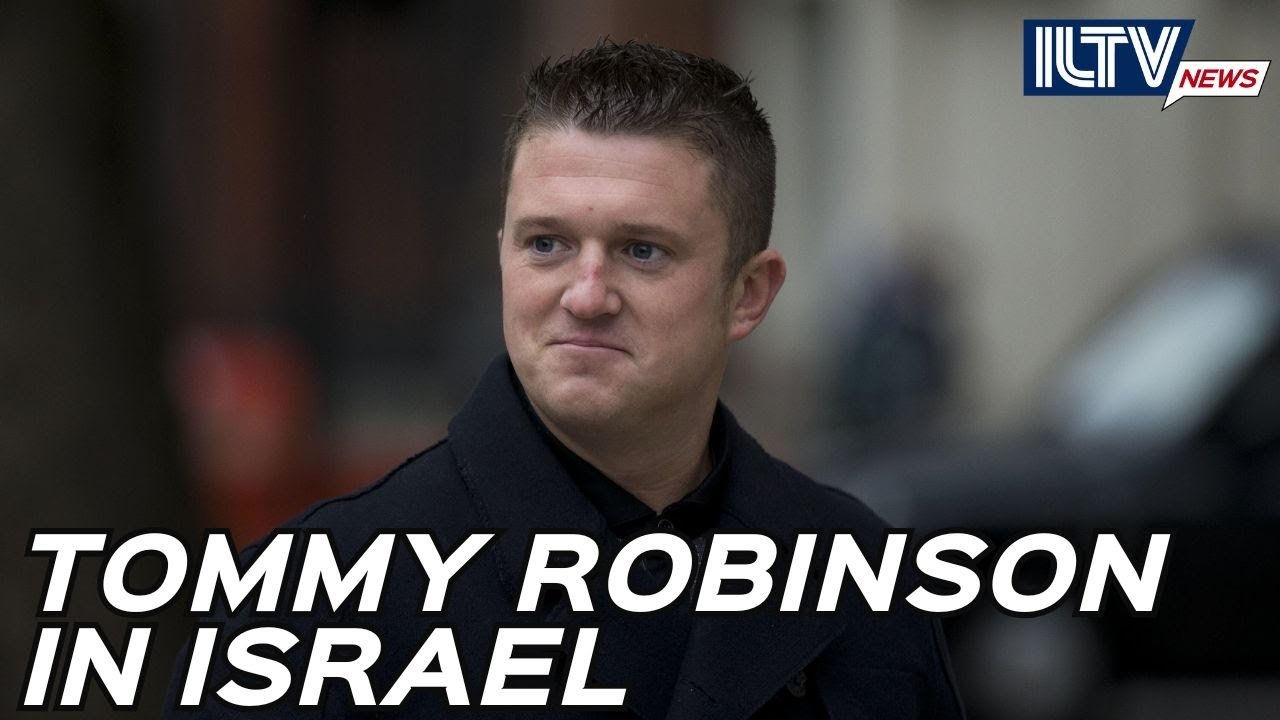
The name Tommy Robinson has become one of the most controversial and widely discussed figures in modern British political and social discourse. Known for his outspoken views, grassroots activism, and repeated clashes with authorities, Tommy Robinson has polarized public opinion across the United Kingdom and beyond. Some consider him a defender of free speech, while others view him as a symbol of extremism and division.
Early Life and Background of Tommy Robinson
Understanding Tommy Robinson begins with his early life and upbringing. Born and raised in Luton, England, Robinson grew up in a working-class environment shaped by economic challenges and cultural diversity. These formative years played a significant role in shaping his worldview and later activism.
During his youth, Robinson faced personal struggles, including difficulties in education and early encounters with the criminal justice system. These experiences would later become central to his public narrative, as he often cites them to explain his mistrust of institutions and authority.

Tommy Robinson and the Origins of His Activism
The rise of Tommy Robinson as a public figure did not happen overnight. His activism emerged during a period of heightened concern in the UK regarding extremism, national identity, and immigration. Robinson positioned himself as a vocal critic of Islamist extremism, arguing that mainstream political parties and media outlets were failing to address public concerns.
His activism gained momentum through street demonstrations, public speeches, and online platforms. By using direct language and emotionally charged messaging, Robinson quickly built a loyal following among individuals who felt politically marginalized or ignored.
Tommy Robinson and the English Defence League Connection
One of the most defining chapters in Tommy Robinson’s public life is his association with the English Defence League (EDL). The group was founded as a protest movement claiming to oppose radical Islam, but it soon became associated with street violence and far-right ideology.
Robinson served as a prominent spokesperson for the EDL, helping to organize rallies that drew significant media attention. While he later distanced himself from the organization, critics argue that the EDL years permanently shaped his public image and reputation.
Supporters, however, claim that Robinson’s departure from the group demonstrated personal growth and a desire to pursue activism through alternative means.
Legal Challenges Faced by Tommy Robinson
The legal history of Tommy Robinson is complex and frequently cited by both supporters and critics. Over the years, he has faced multiple arrests and convictions related to public order offenses, contempt of court, and other legal matters.
One of the most high-profile cases involved contempt of court charges linked to reporting on ongoing legal proceedings. The case sparked widespread debate about freedom of speech, journalistic responsibility, and the limits of public commentary.
For Robinson’s supporters, these legal challenges represent political persecution. For critics, they reinforce concerns about disregard for the rule of law.
Tommy Robinson and Freedom of Speech Debates
Few figures have become as closely associated with free speech debates as Tommy Robinson. He frequently frames his activism as a fight against censorship, arguing that controversial opinions are increasingly silenced in modern Britain.
His supporters believe Robinson highlights issues that others are afraid to discuss openly. They argue that suppressing such voices only deepens societal divisions.
Opponents counter that freedom of speech does not excuse harmful rhetoric or misinformation. They emphasize the responsibility that comes with public influence, especially in a diverse and multicultural society.
Media Representation of Tommy Robinson
The portrayal of Tommy Robinson in mainstream media has been overwhelmingly critical. Major news outlets often describe him using labels such as “far-right activist,” which Robinson and his followers strongly dispute.
This adversarial relationship with the media has fueled Robinson’s online popularity. By presenting himself as a victim of media bias, he has successfully mobilized supporters who distrust traditional news organizations.
Social media platforms, video channels, and alternative news websites have played a crucial role in shaping Robinson’s image outside mainstream narratives.
Tommy Robinson’s Online Presence and Digital Influence
The digital era has significantly amplified the reach of Tommy Robinson. Through social media, live streams, and independent video platforms, he communicates directly with supporters without relying on traditional media gatekeepers.
This online strategy has allowed Robinson to maintain relevance even during periods of legal trouble or deplatforming. However, it has also raised concerns about the spread of unverified information and the radicalization of online audiences.
Despite account suspensions and content removals, Robinson’s digital influence remains substantial, demonstrating the power of decentralized media ecosystems.
Political Impact of Tommy Robinson in the U
While Tommy Robinson has not held public office, his influence on UK political discourse is undeniable. His activism has intersected with broader debates on immigration, national identity, and trust in institutions.
Some political analysts argue that Robinson reflects a wider sense of frustration among certain segments of the population. Others caution that his rhetoric risks oversimplifying complex issues and inflaming tensions.
Regardless of perspective, Robinson’s presence has forced politicians, journalists, and policymakers to confront difficult conversations about societal cohesion.
Public Supporters and Critics of Tommy Robinson
The divide surrounding Tommy Robinson is stark. Supporters view him as a courageous whistleblower standing up for ordinary citizens. They praise his willingness to challenge powerful institutions and speak openly on sensitive topics.
Critics, however, accuse him of promoting division and exploiting fear for personal gain. Human rights organizations and advocacy groups have repeatedly expressed concerns about the potential consequences of his messaging.
This polarization highlights broader societal challenges related to free expression, accountability, and social responsibility.
International Attention and Tommy Robinson
The influence of Tommy Robinson extends beyond the UK. His legal cases and public demonstrations have attracted international attention, particularly from commentators and political groups abroad.
High-profile endorsements and public statements from foreign figures have further elevated his global profile. This international spotlight has intensified debates about nationalism, sovereignty, and global political movements.
At the same time, it has raised questions about the cross-border spread of political ideologies in the digital age.
Tommy Robinson and Civil Liberties Discussion
Civil liberties advocates frequently reference Tommy Robinson when discussing the balance between public safety and individual rights. His cases are often cited in legal and academic discussions about contempt laws, protest rights, and media responsibility.
These discussions are not limited to Robinson himself but reflect broader concerns about how democratic societies handle controversial speech and activism.
The ongoing relevance of these debates suggests that Robinson’s impact will be felt long after individual legal cases conclude.
Future Outlook for Tommy Robinson
Predicting the future of Tommy Robinson is challenging. His ability to adapt, rebrand, and maintain a loyal following suggests he will remain a significant figure in public discourse.
Whether his influence grows or diminishes will depend on multiple factors, including legal developments, platform policies, and broader political trends in the UK.
What is certain is that Robinson’s story offers valuable insight into the complexities of modern activism, media dynamics, and societal polarization.
Conclusion: Understanding the Complexity of Tommy Robinson
The story of Tommy Robinson is not a simple one. He is a figure who embodies many of the tensions present in contemporary society—between free speech and responsibility, activism and extremism, and trust and skepticism toward institutions.
By examining his life, actions, and influence from multiple perspectives, readers can develop a more informed understanding of why he remains such a powerful and controversial presence.
Whether viewed as a defender of free expression or a source of division, Tommy Robinson continues to shape conversations that are central to the future of democratic societies.
