


Sand fleas are a common concern for people visiting beaches, coastal regions, and tropical destinations. Despite their small size, these tiny pests can cause significant discomfort, confusion, and even health issues if not properly understood. Many travelers mistake sand flea bites for mosquito bites or allergic reactions, leading to delayed treatment and prolonged irritation.
This comprehensive guide explains everything you need to know about sand fleas—what they are, where they live, how they bite, what symptoms they cause, and most importantly, how to prevent and treat sand flea problems effectively.
What Are Sand Fleas?
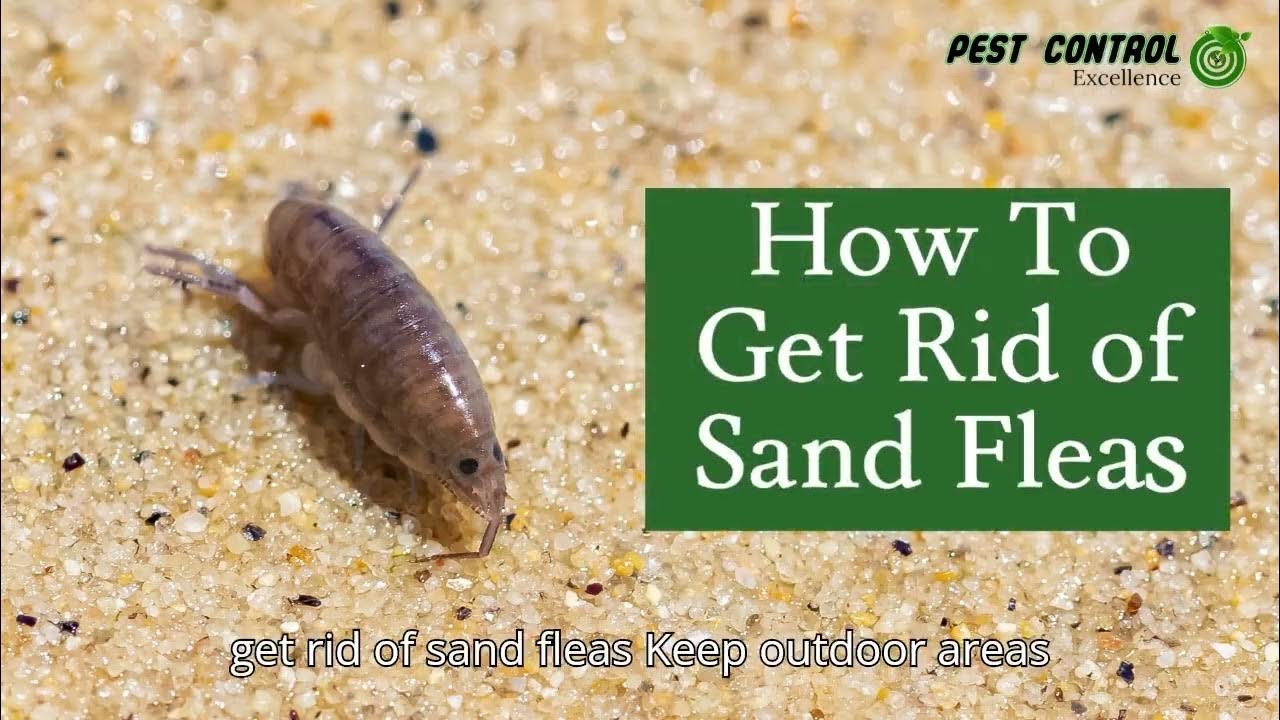
Sand fleas are small crustaceans or insects commonly found in sandy coastal areas. The term “sand fleas” is often used as a catch-all name for different creatures that thrive in beach environments. These organisms are typically active near shorelines, dunes, and moist sand.
Unlike traditional fleas that infest pets, sand fleas usually live in the sand and emerge to feed on organic matter or, in some cases, human skin. Their tiny size makes them difficult to see, but their bites are often noticeable within hours.
Sand Fleas vs Other Beach Bugs
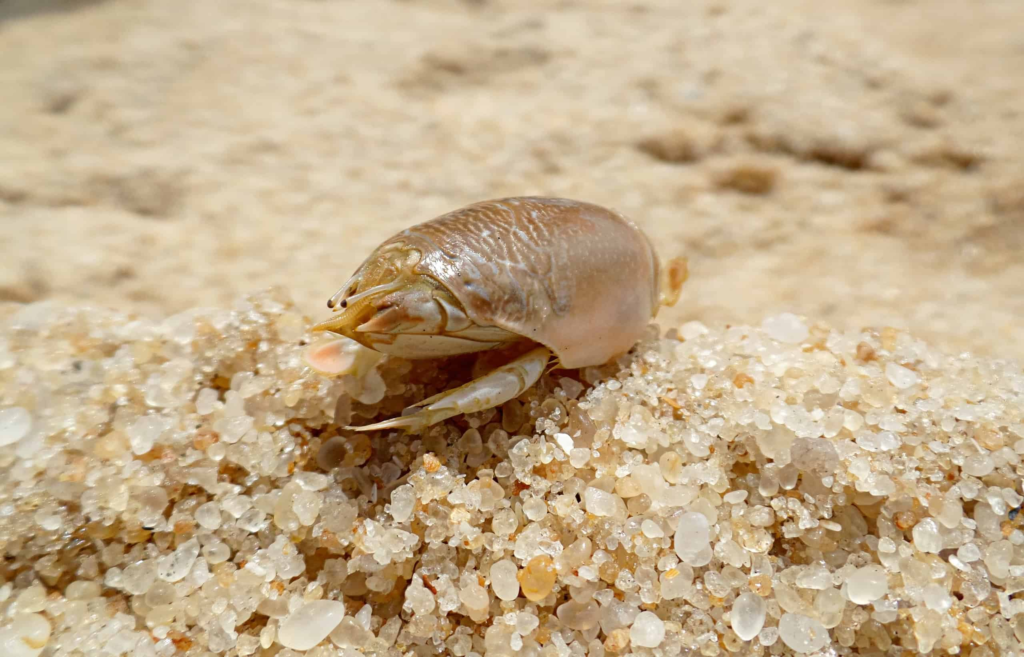
Sand fleas are frequently confused with other beach insects such as sand flies, no-see-ums, and mites. While these creatures share similar habitats, sand fleas differ in behavior and biological classification.
Understanding the difference is important because treatment and prevention strategies may vary. Sand fleas are most active during warm weather and tend to prefer shaded or damp sand close to the waterline.
Where Do Sand Fleas Live?
Sand fleas thrive in coastal regions around the world. They are commonly found in:
- Tropical and subtropical beaches
- Coastal dunes and marshes
- Areas with moist, organic sand
- Shorelines near vegetation
Sand fleas are especially active during early morning and evening hours when temperatures are moderate and humidity is higher.
Sand Fleas and Their Life Cycle
Understanding the life cycle of sand fleas helps explain why infestations can appear suddenly. Sand fleas reproduce quickly under favorable conditions, especially in warm and humid climates.
Their life cycle generally includes:
- Egg stage in damp sand
- Larval development below the surface
- Adult stage near shorelines
Because sand fleas spend much of their life beneath the sand, they are difficult to eliminate completely from natural environments.
Why Do Sand Fleas Bite Humans?
Sand fleas bite humans primarily for survival and reproduction. In some species, female sand fleas require blood to develop eggs. Humans become accidental hosts when they sit, lie, or walk barefoot on infested sand.
Sand flea bites often occur on exposed skin such as:
- Ankles
- Feet
- Legs
- Waistline
- Arms
These areas are closer to the ground, making them easier targets.
Sand Fleas Bite Symptoms
The symptoms of sand flea bites can vary depending on individual sensitivity and exposure level. Common symptoms include:
- Small red bumps
- Intense itching
- Swelling around the bite area
- Burning or tingling sensation
In some cases, scratching can lead to secondary infections, which may require medical attention.
Sand Fleas and Severe Reactions
While most sand flea bites are harmless, some people experience more severe reactions. These may include:
- Blistering
- Persistent inflammation
- Skin infections
- Allergic reactions
In rare cases, sand fleas can burrow into the skin, causing a condition that requires professional treatment. Early detection and proper care significantly reduce complications.
Sand Fleas vs Mosquito Bites
Sand flea bites are often mistaken for mosquito bites, but there are key differences. Sand flea bites tend to cluster around the feet and ankles and may appear in groups rather than isolated spots.
Additionally, sand flea bites often itch more intensely and may last longer than mosquito bites. Identifying the cause helps determine the most effective treatment.
How to Identify Sand Flea Bites
Identifying sand flea bites involves observing both symptoms and environmental exposure. Signs that sand fleas may be responsible include:
- Recent beach or coastal visit
- Bites appearing within hours of sand exposure
- Concentration of bites below the knees
Photographic comparisons and professional diagnosis can help confirm the cause if symptoms persist.
Sand Fleas and Travel Risks
Travelers to coastal destinations are particularly vulnerable to sand fleas. Resorts, beaches, and waterfront accommodations may unknowingly be located near sand flea habitats.
Tourists who sit directly on sand, walk barefoot, or wear minimal clothing increase their risk of bites. Awareness and preparation are key to reducing discomfort during beach vacations.
How to Prevent Sand_Fleas Naturally
Preventing sand_fleas begins with minimizing direct contact with infested sand. Natural prevention methods include:
- Wearing sandals or water shoes
- Using beach mats or towels
- Avoiding damp or shaded sand areas
- Showering immediately after beach exposure
These simple steps can significantly reduce the likelihood of sand flea bites.
Best Repellents for Sand_Fleas
Insect repellents are one of the most effective defenses against sand_fleas. Products containing approved active ingredients provide protection when applied to exposed skin.
For those who prefer natural options, essential oils such as eucalyptus or lavender may offer limited protection, though effectiveness varies.
Reapplying repellent regularly is crucial, especially after swimming or sweating.
Sand_Fleas and Protective Clothing
Clothing choices play an important role in sand flea prevention. Lightweight, long-sleeved garments and loose pants reduce skin exposure without causing overheating.
Tucking pant legs into socks and avoiding open footwear during peak sand_flea activity hours further enhances protection.
Home Remedies for Sand_Flea Bites
If sand flea bites occur, several home remedies can help relieve symptoms:
- Cold compresses to reduce swelling
- Aloe vera gel for soothing irritation
- Baking soda paste to relieve itching
- Oatmeal baths for widespread reactions
These remedies address discomfort but do not replace medical treatment for severe cases.
Medical Treatment for Sand_Flea Bites
Medical treatment may be necessary if symptoms worsen or signs of infection appear. Doctors may recommend:
- Antihistamines for allergic reactions
- Topical corticosteroids
- Antibiotics for infected bites
Prompt medical care prevents complications and speeds recovery.
Sand_Fleas and Skin Infections
Scratching sand_flea bites increases the risk of bacterial infection. Signs of infection include:
- Increased redness
- Warmth around the bite
- Pus or discharge
- Fever
Keeping bites clean and avoiding scratching are essential for preventing infection.
Sand_Fleas and Children
Children are especially vulnerable to sand fleas due to sensitive skin and outdoor play habits. Parents should monitor children closely during beach visits and apply repellents approved for pediatric use.
Prompt treatment of bites reduces discomfort and prevents complications.
Sand_Fleas and Pets
Pets can also be affected by sand_fleas, particularly dogs that spend time on beaches. Symptoms in pets include itching, scratching, and skin irritation.
Veterinary-approved flea treatments and post-beach rinsing help protect pets from sand flea exposure.
Environmental Control of Sand_Fleas
Complete elimination of sand fleas from natural beaches is not practical or environmentally responsible. However, property owners near beaches can reduce sand flea presence by:
- Removing organic debris
- Improving drainage
- Limiting standing moisture
These measures discourage sand_flea breeding near living spaces.
Myths and Misconceptions About Sand_Fleas
There are many misconceptions surrounding sand fleas. Some people believe sand fleas only exist in dirty environments, which is false. Even pristine beaches can harbor sand fleas.
Another myth is that sand_fleas only bite at night. In reality, they are active during various times depending on temperature and humidity.
Sand_Fleas and Climate Change
Climate change may influence the distribution and activity of sand_fleas. Warmer temperatures and rising humidity levels can expand suitable habitats, increasing exposure risk in new regions.
Understanding environmental trends helps travelers and residents stay informed and prepared.
Long-Term Effects of Sand_Flea Bites
Most sand_flea bites heal within days, but repeated exposure can lead to scarring or skin sensitivity. Individuals with compromised immune systems should take extra precautions.
Preventive strategies remain the most effective long-term solution.
How to Enjoy the Beach Without San_Fleas
Sand_fleas should not prevent you from enjoying coastal environments. With proper planning, protective measures, and awareness, beach activities can remain safe and comfortable.
Simple habits such as avoiding direct contact with sand and maintaining good hygiene dramatically reduce risk.
Conclusion: Understanding and Managing Sand_Fleas Effectively
Sand_fleas are a natural part of coastal ecosystems, but they can cause discomfort if ignored. By understanding their behavior, recognizing bite symptoms, and following proven prevention strategies, individuals can protect themselves effectively.
Whether you are a frequent beachgoer or a first-time traveler, knowledge is the best defense against sand fleas. With the right approach, you can enjoy the beauty of coastal environments without unnecessary irritation or health concerns.
