

The phrase tie the knot is one of the most popular expressions used to describe marriage. Whether you hear it in casual conversation, wedding announcements, or pop culture, the phrase carries emotional weight, tradition, and cultural meaning. But what does tie the knot really mean, where did it come from, and how is it used today?
In this detailed guide, we will explore the meaning of tie the knot, its historical origins, cultural relevance, modern interpretations, wedding traditions, and why the phrase continues to remain timeless in today’s world.
What Does “Tie the Knot” Mean?
To tie the knot means to get married or formally enter into a marital union. It is an idiomatic expression used primarily in English-speaking cultures to describe the act of marriage in an informal and friendly way.
Instead of saying “they got married,” people often say:
- “They finally tied the knot.”
- “The couple is ready to tie the knot this summer.”
The phrase emphasizes commitment, unity, and permanence rather than the legal or ceremonial aspects of marriage.
The Origins of the Phrase “Tie the Knot”
The expression tie the knot dates back hundreds of years and has roots in ancient wedding customs. In many early cultures, marriage ceremonies included the physical act of tying something together to symbolize unity.
Ancient Handfasting Rituals
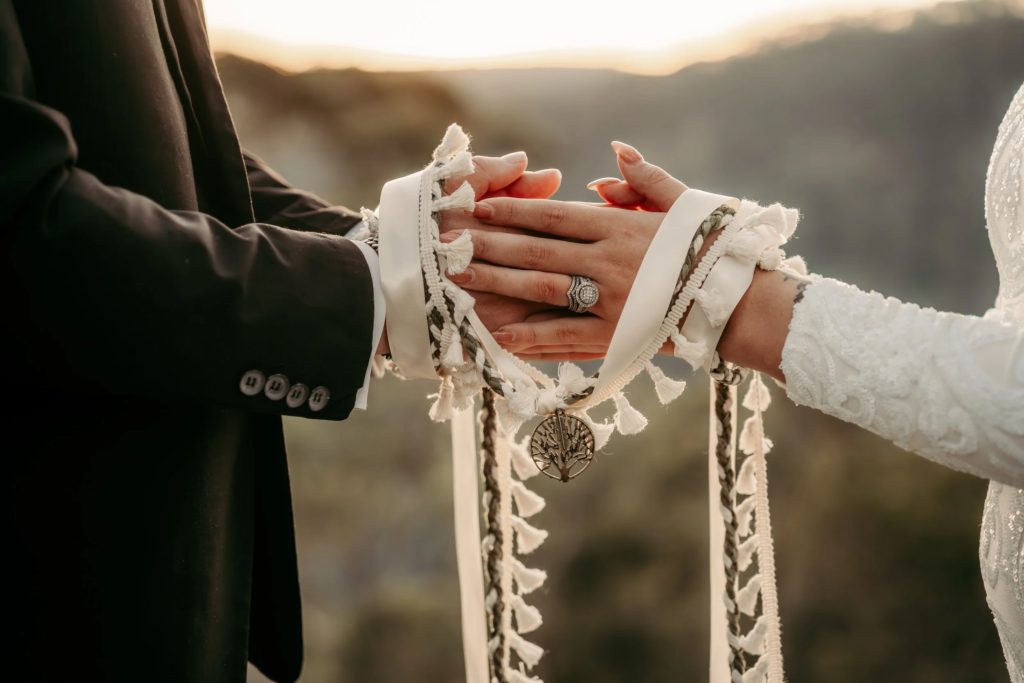
One of the most commonly cited origins is the handfasting ceremony, practiced in Celtic and medieval European traditions. During these ceremonies:
- The couple’s hands were bound together using ribbons or cords
- This act symbolized the binding of two lives into one
- The knot represented an unbreakable bond
This literal tying of hands is believed to be the foundation of the phrase we still use today.
Cultural Significance of Tying Knots in Marriage
Across many cultures, knots have symbolized:
- Strength
- Permanence
- Unity
- Protection
In weddings, the symbolism of tying a knot goes beyond words and represents emotional and spiritual connection.
Knots in Different Cultures
- Celtic culture used handfasting as a public commitment
- Hindu weddings include ceremonial tying of garments
- Asian traditions often associate knots with luck and longevity
These practices reinforce why tie the knot became such a powerful metaphor for marriage.
How “Tie the Knot” Is Used in Modern Language
Today, tie the knot is commonly used in:
- Wedding blogs
- Engagement announcements
- Social media captions
- Casual conversations
It is informal but respectful, making it perfect for modern storytelling.
Examples of Modern Usage
- “After five years together, they decided to tie the knot.”
- “The couple plans to tie the knot in a beach ceremony.”
The phrase remains popular because it sounds warm, celebratory, and human.
Why People Prefer the Phrase “Tie the Knot”
Many people prefer saying tie the knot instead of “get married” because:
- It feels less formal
- It sounds more romantic
- It emphasizes emotional connection
- It avoids legal or religious implications
This flexibility makes the phrase suitable for traditional, modern, and non-traditional weddings alike.
Tie the Knot and Wedding Planning Culture
In wedding planning, the phrase tie the knot is widely used across:
- Invitations
- Wedding websites
- Blog headlines
- Engagement posts
Examples include:
- “Ready to Tie the Knot? Here’s Your Ultimate Wedding Checklist”
- “10 Signs You’re Ready to Tie the Knot”
It has become a branding-friendly phrase in the wedding industry.
Tie the_Knot in Pop Culture and Media
Movies, TV shows, and books frequently use tie the_knot to describe relationship milestones. The phrase conveys excitement without revealing too much detail, which makes it perfect for storytelling.
In romantic comedies, characters often debate when or whether they should tie the knot, reflecting real-life emotions and decisions around marriage.
Emotional Meaning Behind Tying the_Knot
At its core, tie the_knot represents:
- Trust
- Long-term commitment
- Emotional security
- Shared future
Marriage is not just a legal contract; it is a promise. The phrase captures that promise in a simple and relatable way.
Modern Interpretations of “Tie the Knot”
In today’s world, marriage looks different than it did centuries ago. Still, the phrase tie the_knot has adapted easily.
Inclusive and Flexible Meaning
- Used by couples of all genders
- Suitable for civil, religious, or symbolic marriages
- Applicable to elopements and large weddings
Its adaptability keeps it relevant across generations.
Tie the Knot Without a Traditional Wedding
Not all couples choose big ceremonies. Many still say they plan to tie the_knot even if they:
- Elope
- Have a courthouse wedding
- Host a small private event
The phrase focuses on the commitment, not the size of the celebration.
Common Myths About Tying the_Knot
Myth 1: It Only Refers to Traditional Marriage
False. The phrase is widely used for modern, non-traditional unions.
Myth 2: It Has Religious Meaning Only
Not true. While used in religious contexts, it is mostly secular today.
Myth 3: It’s Old-Fashioned
In reality, it remains one of the most popular marriage-related expressions online.
Tie the_Knot and Social Media Trends
On platforms like Instagram and Pinterest, tie the_knot is often used in:
- Hashtags
- Wedding captions
- Engagement reels
Examples:
- #ReadyToTieTheKnot
- #WeTiedTheKnot
Its emotional tone makes it ideal for digital storytelling.
Psychological Meaning of Tying the_Knot
From a psychological perspective, deciding to tie the_knot often represents:
- Emotional maturity
- Willingness to commit
- Trust in long-term partnership
The phrase itself reduces anxiety by framing marriage as a positive union rather than a binding obligation.
Tie the_Knot vs Get Married: Is There a Difference?
While both mean the same thing, the tone differs.
| Phrase | Tone |
|---|---|
| Get married | Formal, direct |
| Tie the knot | Warm, informal, emotional |
This is why many people choose tie the knot in personal conversations.
Why “Tie the_Knot” Remains Timeless
Despite changes in marriage norms, the phrase tie the_knot remains popular because:
- It is simple
- It is symbolic
- It is emotionally rich
- It connects past and present traditions
Few phrases have lasted so long with such consistent relevance.
- Evergreen
- High intent
- Widely searched
- Relevant to weddings, relationships, and culture
It performs well in blog posts, guides, and informational content due to its broad appeal.
Final Thoughts on Tie the Knot
The phrase tie the_knot is more than just an idiom. It is a reflection of history, culture, love, and commitment. From ancient rituals to modern social media posts, it continues to symbolize one of life’s most meaningful decisions.
